
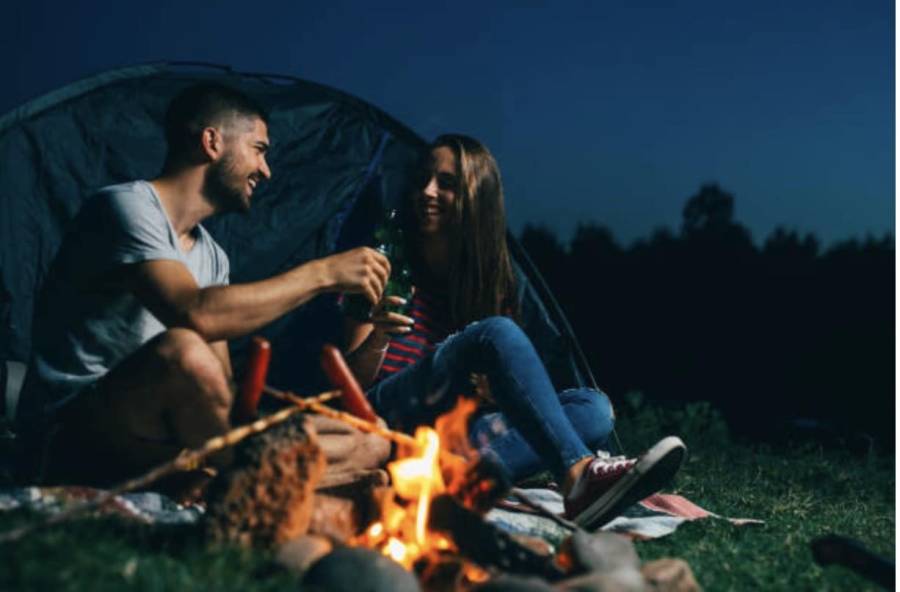
Ever crawled into warm tents after a long, chilly day and wondered if they really stand a chance against the cold? Maybe you’ve shivered through a restless night or questioned do tents keep you warm despite all the gear and hacks people swear by. Let’s be real—it’s not just about having any shelter. Warm tents for winter and warm tents for camping make a huge difference, because staying comfortable depends on smart choices—from the shelter itself to what you bring inside. Many campers look for warm camping tents, tents that keep you warm, or even the best warm weather tents when planning different seasons, and understanding how warm weather tents or tents to keep you warm function can clear up a lot of confusion. Camping in cold weather doesn’t have to mean suffering, and even glamping tents warm up surprisingly well with the right setup. You can actually enjoy those crisp autumn nights or snowy mornings once you know what your tent can handle. Whether you’re tackling 10-mile hikes or planning a cozy glamping escape, figuring out how and why tents are warm—or when they aren’t—will make your nights cozy instead of miserable. Let’s break it all down, season by season.
Choosing the Right Tent for Warmth
When you’re comparing warm tents and trying to figure out do tents keep you warm, a lot comes down to design and materials. A double-wall setup—where the rainfly and inner tent are separate—often performs better than single-wall tents because it traps heat more effectively. This matters whether you’re searching for warm tents for winter, warm camping tents, or versatile warm tents for camping that work across seasons. The extra layer cuts down on drafts and creates the kind of tents that keep you warm even when temperatures drop. Many double-wall designs even allow the use of tent stoves, which is a huge advantage in cold conditions. Material choice also affects warmth. Canvas tents naturally act as warm weather tents when climates are mild and still provide solid insulation in colder months. They’re heavier but excellent if you want durability and a true heat-retaining structure. Synthetic tents, like nylon or polyester options, are lighter and great when portability matters; they work well in fair weather, especially if you pair them with proper insulation. These also tend to be among the best warm weather tents for hikers who need to move fast and light. Season ratings matter too. Four-season tents are built to perform well in extreme situations, having strong poles, almost no mesh panels, and low cortinas for the rain. They provide you with the power and the heat that you require during a snowstorm or very windy weather. A three-season tent would be perfect for the periods of spring, summer, and fall, particularly in tectly. Your ideal setup depends on the season, your comfort needs, and whether you prioritize lightweight travel or maximum warmth. Next, it’s time to look inside the tent.
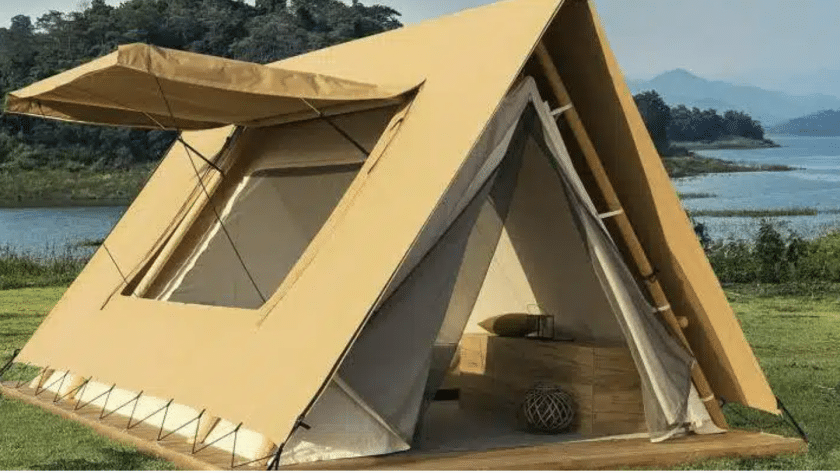
Image Credits : https://tentspaces.com/tents/tcm4300-and-tcm6300/
Insulation and Heat Retention Strategies Inside the Tent
The inside of warm tents is where you and your gear truly fight against the cold, whether you’re using warm camping tents, warm tents for camping, or even warm tents for winter. Your sleeping bag is the star of the show, and it plays a big role in how well tents that keep you warm actually perform. Choosing a bag with the right temperature rating is crucial—ratings are guidelines, not guarantees—so never expect a 20°F bag to feel perfect at exactly 20°F. Since ratings vary between men’s and women’s bags, always double-check whether it’s a comfort or lower-limit rating. If you tend to run cold, go for a bag rated at least 10 degrees lower than the expected forecast to help ensure your setup matches what warm weather tents or best warm weather tents might not handle on their own. Underneath you, a solid sleeping pad makes a massive difference. Look for high R-values (4 or higher for cold weather). Pairing two pads or adding a closed-cell foam pad beneath your inflatable one helps block ground chill—something essential even inside warm tents or any setup designed to improve how well tents keep you warm. Extras have the power to change a cold night into a warm and comfortable one. A sleeping bag liner—especially fleece or Thermolite—can add up to 25°F of warmth. Throwing quilts or blankets over your bag also boosts comfort. Down and fleece are lightweight go-tos, while a wool blanket works wonders for car camping or in conditions where even the best warm weather tents need a little help. And finally, what you wear to bed matters just as much as your gear. Merino wool or synthetic base layers keep you warm without trapping moisture. Always change into dry clothes before sleeping and wear warm socks, gloves, and a wool hat. Tucking tomorrow’s clothes into your sleeping bag keeps them warm for the morning and helps maintain overall heat—an important step whether you’re relying on warm weather tents or heavily insulated setups. With these simple strategies, your tent—no matter the type—holds heat far more effectively.
Camp Setup for Maximizing Warmth and Comfort
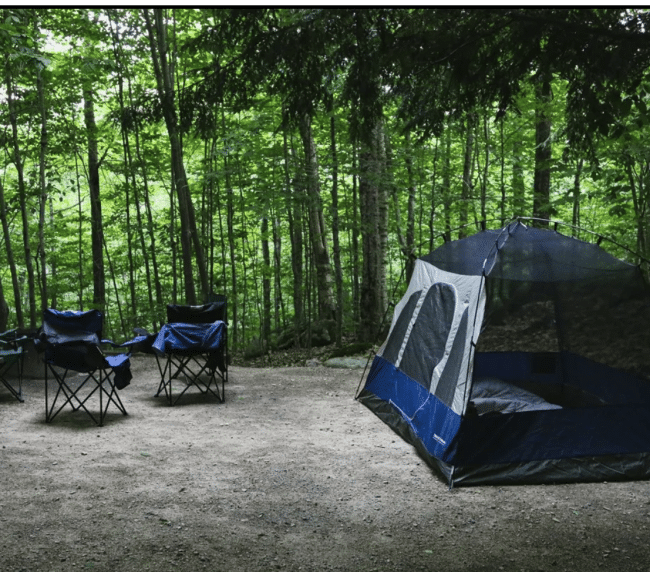
Location matters more than most people realize—especially when you’re relying on warm tents, warm tents for camping, or even warm tents for winter to stay comfortable. Where you pitch your shelter affects how well tents that keep you warm actually perform. Choose a campsite protected from wind by trees, hills, or large rocks. Avoid valleys where cold air sinks, and skip exposed hilltops where wind cuts through even the best warm weather tents. If possible, choose a site that gets early sunlight so your shelter warms up naturally—always a bonus whether you’re using warm weather tents or heavier setups. How you set up your shelter also influences how well it retains heat. Using a tent footprint or tarp underneath adds a barrier against ground chill, improving insulation inside warm camping tents and other tents that keep you warm. Adding rugs, blankets, or extra padding inside helps block cold rising from the ground; many campers layer thick fleece or pile blankets above and below their sleeping surface to turn even warm weather tents into cozier spaces. Moisture management plays a huge role, too. To get the most from warm tents, don’t seal everything tight. A bit of ventilation is essential because trapped breath and body vapor create condensation, which leaves you cold, no matter how well-warm tents for winter are built. Keep vents cracked or leave the top zipper slightly open. Staying dry ultimately helps tents keep you warm more effectively through the night. These campsite choices and setup tricks add significant warmth without adding much weight to your pack. Now, let’s explore a few clever add-ons and classic hacks that boost comfort even more when the temperature drops.
Credit : https://travelforawhile.com/creating-a-comfortable-and-cozy-campsite-setup/
Supplemental Heat Sources and Warmth Hacks
Even inside warm tents, warm camping tents, or the best warm weather tents, sometimes you need a little extra help staying cozy. A classic trick is slipping a hot water bottle into your sleeping bag before bed. Boil water, pour it into an uninsulated bottle like a Nalgene, and let it radiate heat for hours—just make sure the cap is tight. Hand and toe warmers are another simple boost, especially useful in tents that keep you warm when temperatures dip unexpectedly. Some campers turn to tent stoves or small heaters for additional warmth. Canvas shelters—often used as warm tents for winter or warm tents for camping—usually have stove jacks, making wood-burning stoves a practical and safe option. Nylon tents are trickier; electric or gas heaters pose safety risks and are generally not recommended. However, if you’re at a campsite with electrical hookups, a small oil-filled radiator can safely add warmth to warm weather tents (as long as the tent design allows it). Campfires help, too. While the fire won’t heat your tent directly, spending time beside it before bed raises your core temperature, making even warm tents feel cozier once you crawl in. Just follow fire rules, keep your flames small, and extinguish everything fully before turning in. As for Mylar space blankets and propane heaters, most experienced campers avoid them—Mylar traps condensation, and propane heaters carry carbon monoxide and fire hazards, especially inside warm tents for winter or lightweight shelters. At the end of the day, the safest approach is to boost your own body heat and keep that warmth inside the sleep system you’ve set up—no matter which warm weather tents or warm tents you’re using. These simple hacks can turn a cold night into a comfortable, restful one. Next, let’s look at smart strategies you can use whenever the temperature starts to fall.
Practical Tips for Staying Warm in Cold Seasons
Even when you’re using warm tents, warm camping tents, or reliable warm tents for winter, your everyday habits matter just as much as your gear. Layering is essential. Start with moisture-wicking base layers—merino wool is a favorite—then add fleece or down mid-layers, and always keep a hat and wool socks close. Avoid cotton entirely; once it’s wet, it cools you down instead of helping tents that keep you warm stay effective. And no matter how cozy your warm tents for camping feel, never sleep in sweaty hiking clothes—dry layers are key.
Before bed, set yourself up for warmth. Do a few light exercises to raise your core temperature without breaking a sweat, and climb into your sleeping bag while still warm. Too many layers inside your bag can backfire, so let the insulation work as intended. Even inside the best warm weather tents or warm weather tents, sweating will make you colder later as moisture cools you down. Warm food and drinks are secret weapons for any setup—from lightweight warm weather tents to heavy-duty winter shelters. A hot dinner, cocoa, or tea before bed helps raise your internal heat and makes your sleep system more efficient. Keep a beanie by your pillow, warm your socks by the fire before crawling in, and insulate your sleeping pad with blankets above and below to boost warmth even further. Always plan for colder temperatures than expected and test your gear before long backcountry trips. These simple habits make a huge difference in how well your setup performs and how effectively warm tents or do tents keep you warm in truly cold conditions. Next, let’s find out what tents really do with the heat they have—and what they don’t do.
